Navigating the maze of permits and regulations in Arizona can feel overwhelming for homeowners. Whether you're considering a roof replacement, an addition to your home, or even simple renovations, understanding the legal landscape is crucial. Not only can it save you time and money, but it can also prevent potential headaches down the road.
Arizona's unique climate and diverse municipalities each have their own rules regarding building codes, zoning laws, and permit requirements. Accordingly, homeowners must arm themselves with knowledge before embarking on any construction project. This article will guide you through key aspects that every homeowner should consider when dealing with permits and regulations.
The Importance of Building Permits
Building permits serve as a safeguard for both homeowners and contractors. They ensure that construction projects meet safety standards, local codes, and zoning laws. For example, when you hire a roofing contractor in Scottsdale or any part of Arizona, they will need to secure the necessary permits before beginning work. Failing to obtain these permits can lead to fines, legal action, or even having to demolish non-compliant work.
Permits also provide a layer of consumer protection. They help ensure that the work performed on your home meets industry standards for quality and safety. If something goes wrong—like a leak due to improper installation—you'll have recourse against the contractor if they did not adhere to local regulations.
Types of Permits You'll Encounter
Understanding the types of permits required for various projects is essential for homeowners planning renovations or new constructions:
Building Permit: Required for most structural changes, including additions and major renovations. Electrical Permit: Necessary for any electrical work involving significant modifications or installations. Plumbing Permit: Required when altering plumbing systems or installing new fixtures. Mechanical Permit: Needed for HVAC installations and changes. Roofing Permit: Specifically required for roof replacements or major repairs.Each type of permit may have different requirements depending on your municipality in Arizona.
Local Regulations Vary Significantly
In Arizona, local building codes can differ dramatically from one city or town to another. For instance, Scottsdale has specific guidelines regarding energy efficiency and sustainable building practices that may not apply elsewhere in Maricopa County. Homeowners should consult their local building department or planning office before starting any project.
Consider this scenario: A homeowner in Phoenix might decide to add solar panels to their roof—a growing trend given Arizona's sunny climate. However, failing to check with city regulations can result in costly mistakes if they're unaware of specific setbacks or installation guidelines unique to Phoenix.
The Role of Zoning Laws
Zoning laws are another critical component homeowners must consider when planning construction projects. These laws dictate how land can be used within certain https://circlegroofing.com/ areas—residential versus commercial zoning—and often outline restrictions based on property size and location.
For example, if you live in a residential neighborhood where zoning laws limit structures' height or require certain architectural styles, you'll need to factor these restrictions into your plans from the start. A good roofing company in Scottsdale will be familiar with these local regulations and can help ensure compliance throughout your project.
How to Secure Permits
Obtaining a permit typically involves several steps:
Research Requirements: Visit your local building department’s website or call them directly to understand what's needed for your specific project. Prepare Documentation: Gather all necessary documents like site plans, architectural drawings, and contractor information. Submit Application: Fill out the permit application form accurately; missing information can delay approval. Pay Fees: Be prepared to pay associated fees which vary by project type and location. Schedule Inspections: After obtaining the permit, schedule inspections at various stages of construction as required by local law.Many homeowners find it helpful to work closely with their contractors during this process; experienced roofing contractors in Scottsdale often handle much of the legwork involved in securing permits.
Common Pitfalls
Despite best efforts, homeowners occasionally encounter roadblocks during permitting processes:
- Incomplete Applications: Missing signatures or documents can stall progress significantly. Noncompliance with Codes: Work that does not adhere to local codes may require rework—which is costly. Delayed Inspections: Scheduling conflicts between contractors and inspectors could extend timelines unexpectedly.
Anticipating these pitfalls allows you to strategize effectively and stay ahead of potential delays during your home improvement project.
When Is a Permit Not Required?
Some smaller-scale projects do not require a permit under Arizona law—such as minor repairs like replacing shingles on an existing roof without changing its structure or layout significantly. However, it's crucial always to verify with your local building authority before proceeding without one.
Ignoring permit requirements—even for smaller jobs—can lead you into trouble if later inspections reveal unpermitted work during future transactions such as selling your home.
The Role of Your Roofing Contractor
Choosing an experienced roofing contractor in Scottsdale plays a pivotal role in navigating permits efficiently. A reliable contractor understands local codes intimately; they will assist you through every step—from securing permits efficiently to ensuring all work meets safety standards.
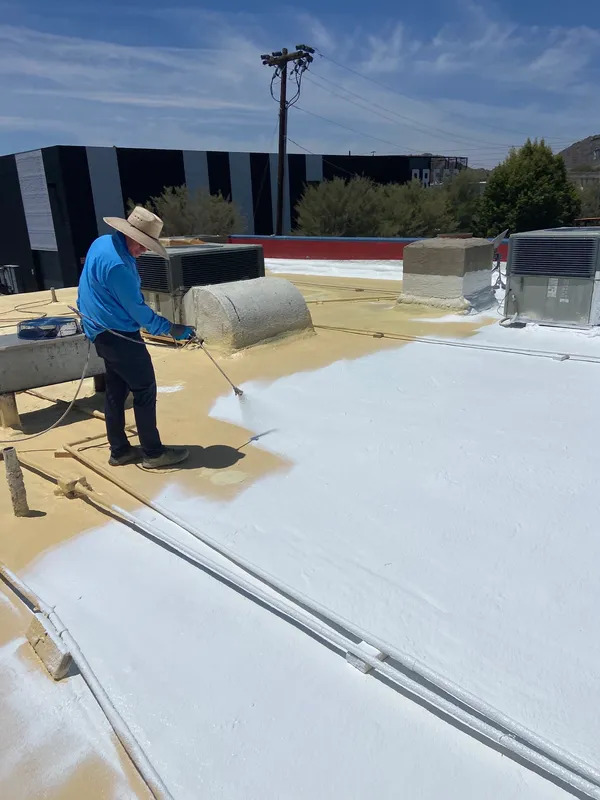
For instance, Circle G Roofing stands out as a reputable roofing company known not just for quality workmanship but also for guiding clients through regulatory hurdles seamlessly.

Key Takeaways For Homeowners
As you embark on any renovation journey—whether you're refreshing your roof with a trusted roofing contractor near me or adding an entire room—paying attention to permitting and regulations is paramount:
Always check local ordinances related to construction projects. Understand what types of permits you'll need based on project scope. Involve seasoned professionals like contractors who know the landscape well. Take note that some minor projects may still necessitate permits despite common assumptions about exemptions. Stay organized from application submission through inspections—all while keeping lines of communication open among all parties involved.By following these guidelines diligently, homeowners can avoid unnecessary complications while transforming their homes into spaces that reflect their vision—and doing so safely within legal boundaries set forth by state regulations.
Investing time upfront into understanding these aspects will pay dividends as you move forward with your home improvements confidently knowing you're compliant with all necessary rules governing construction activities within Arizona's diverse environment!
Circle G Roofing
7349 N Vía Paseo Del Sur #515, Scottsdale, AZ 85258, United States
+1 (602) 791-6415
Website: https://circlegroofing.com